
Madarassah
About Us
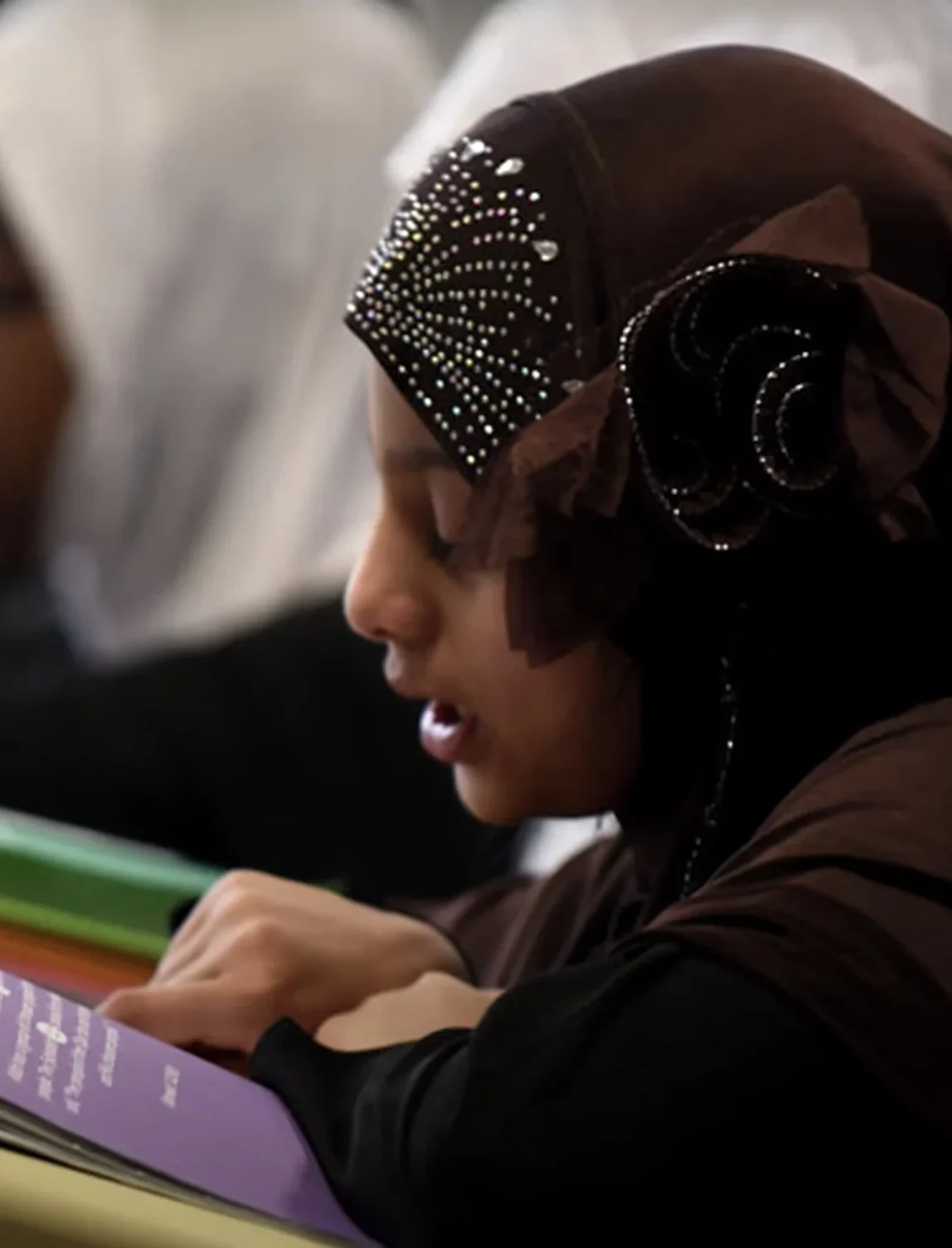
At Darul Falaah, children from the age of 5 and above are given the opportunity to delve deep into the teachings of Islam. With a focus on Quranic studies, Islamic education and memorizing essential supplications (dua’s), students are carefully guided through a curriculum that is designed and perfected by trusted scholars to instil a sense of confidence in their faith.
The class size is limited to a maximum of 15 students to ensure individual attention and facilitate learning. Today, the madrasah caters to over 100 pupils aged from four and above, educating them on Islamic practices, beliefs, and values. Darul Falaah provides a nurturing and encouraging environment for students to foster their spiritual growth and promote an understanding of Islamic principles.
Our Goal
At Darul Falaah, great emphasis is placed on the accurate recitation of the Qurʿān, which begins with learning to read the Arabic script. To achieve this, we use a Qāʿidah to teach the Arabic alphabet and basic pronunciation rules. Our unique Qāʿidah is specially designed to meet the needs of students who do not speak Arabic as their native language.
We take great care to guide our students through every stage of learning to read Arabic, with the goal of completing the Qāʿidah within an average of two years. After this, students progress to reciting the uz ʿAmma and then the Qurʿān itself.
During the final two stages, we teach more complex rules of reading and recitation through Tajwīd. By the time students complete their studies at Darul Falaah, they have attained a high standard of Tajwīd that is unmatched by many other Islamic learning institutions.
Islamic Education
Children's
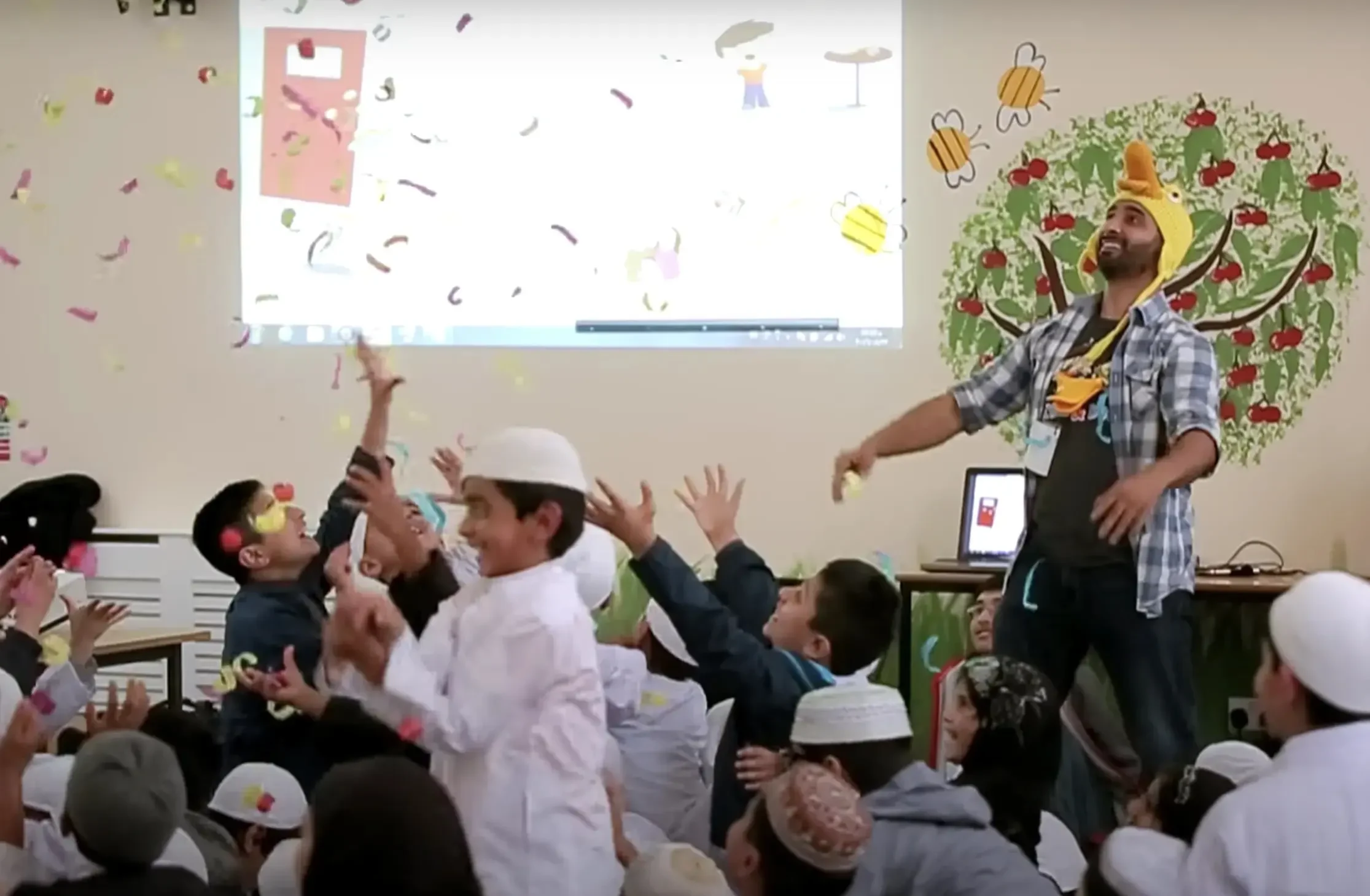
Al Falaah implements the Iqra Read series to teach Qaida’h studies. It is an easily comprehensible book divided into two parts enabling children to learn the Arabic alphabet and tajweed (Quranic recitation rules) within a year.
Teens
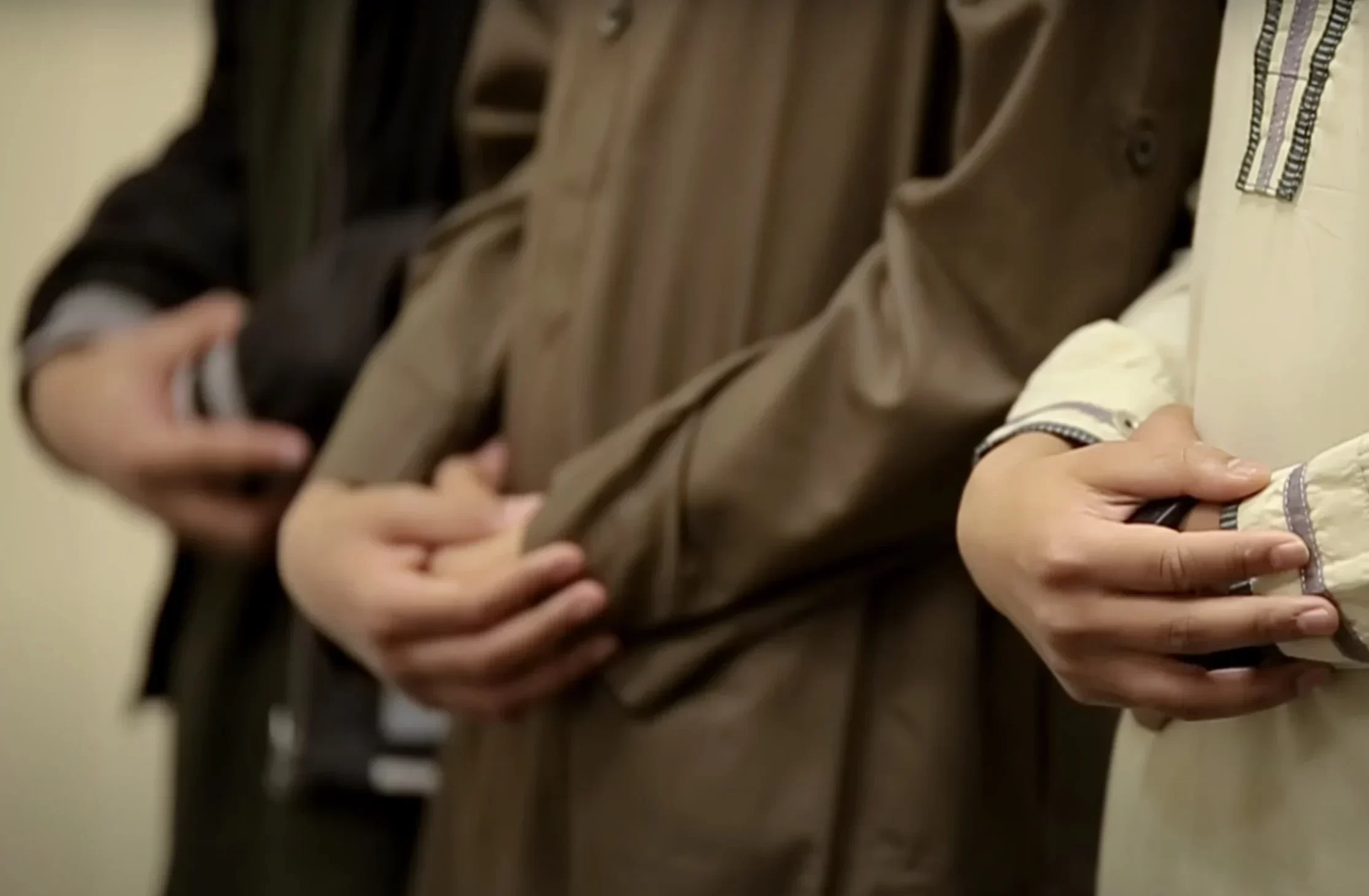
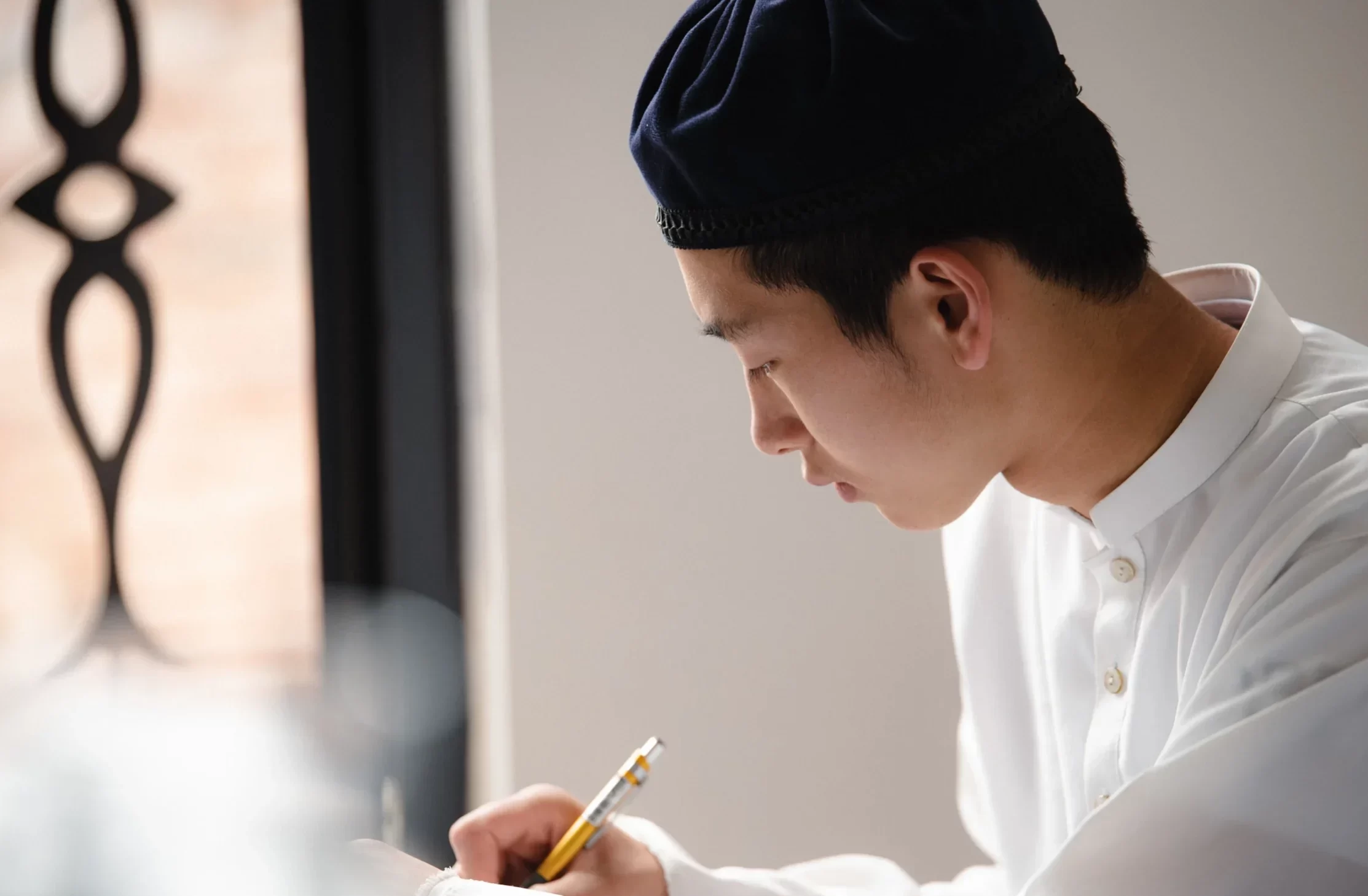
We understand that The Quran holds great importance in Islamic education for teenagers. Through this curriculum, students will begin by developing their Quranic reading skills with proper pronunciation and intonation.
Adults
We understand that The Quran holds great importance in Islamic education for teenagers. Through this curriculum, students will begin by developing their Quranic reading skills with proper pronunciation and intonation.
1 .Quran
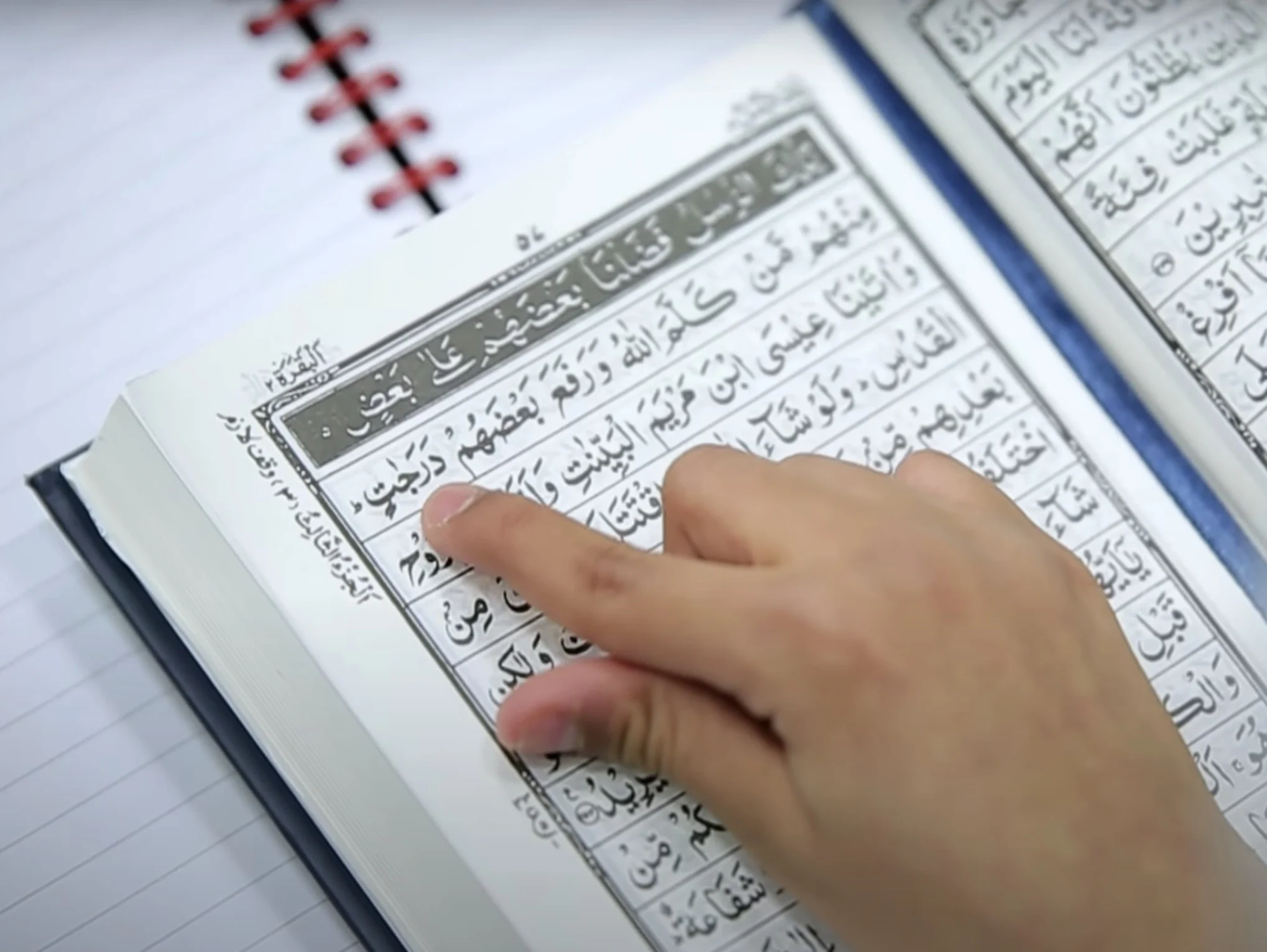
At Darul Falaah, great emphasis is placed on the accurate recitation of the Qurʿān, which begins with learning to read the Arabic script. To achieve this, we use a Qāʿidah to teach the Arabic alphabet and basic pronunciation rules. Our unique Qāʿidah is specially designed to meet the needs of students who do not speak Arabic as their native language.
We take great care to guide our students through every stage of learning to read Arabic, with the goal of completing the Qāʿidah within an average of two years. After this, students progress to reciting the Juz ʿAmma and then the Qurʿān itself.
During the final two stages, we teach more complex rules of reading and recitation through Tajwīd. By the time students complete their studies at Darul Falaah, they have attained a high standard of Tajwīd that is unmatched by many other Islamic learning institutions.

2. Memorisatrion
Students are tasked with memorizing Juz Amma and various duas on a weekly basis. Students are organised into 15-20 peer-mentored groups, where they memorize different surahs beginning with Surah Duha and concluding with Surah Nas.
A senior staff member administers tests after each surah in order to assess progress and identify any errors. Rather than focus on quantity, our emphasis is on the quality of recitation.
We use the book used by many madrassah called Child’s Gift which covers Essential Duas & Other Practical Worships, helps highlight the value of using these duas and actions on a daily basis.
3. Islamic Studies
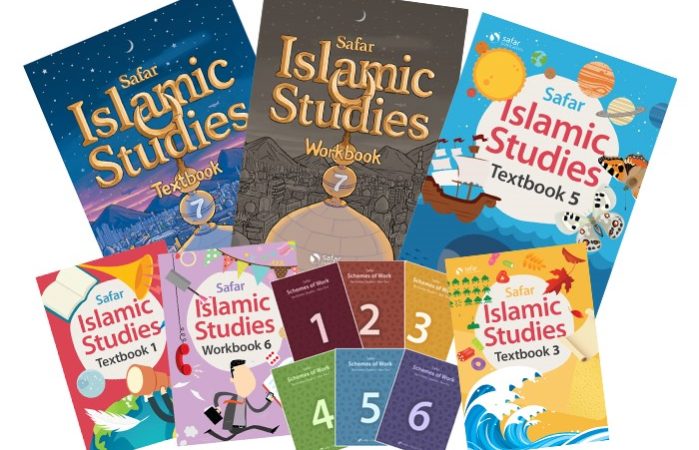
At Darul Falaah, students are taught many important aspects of Islam which include:
- Fiqh (the rules and practices followed in Islam)
- Aqīdah (understanding Islamic beliefs)
- Sīrah (the biography of Prophet Muḥammad and its relevance)
- Ādāb (manners and etiquette essential to a moral life)
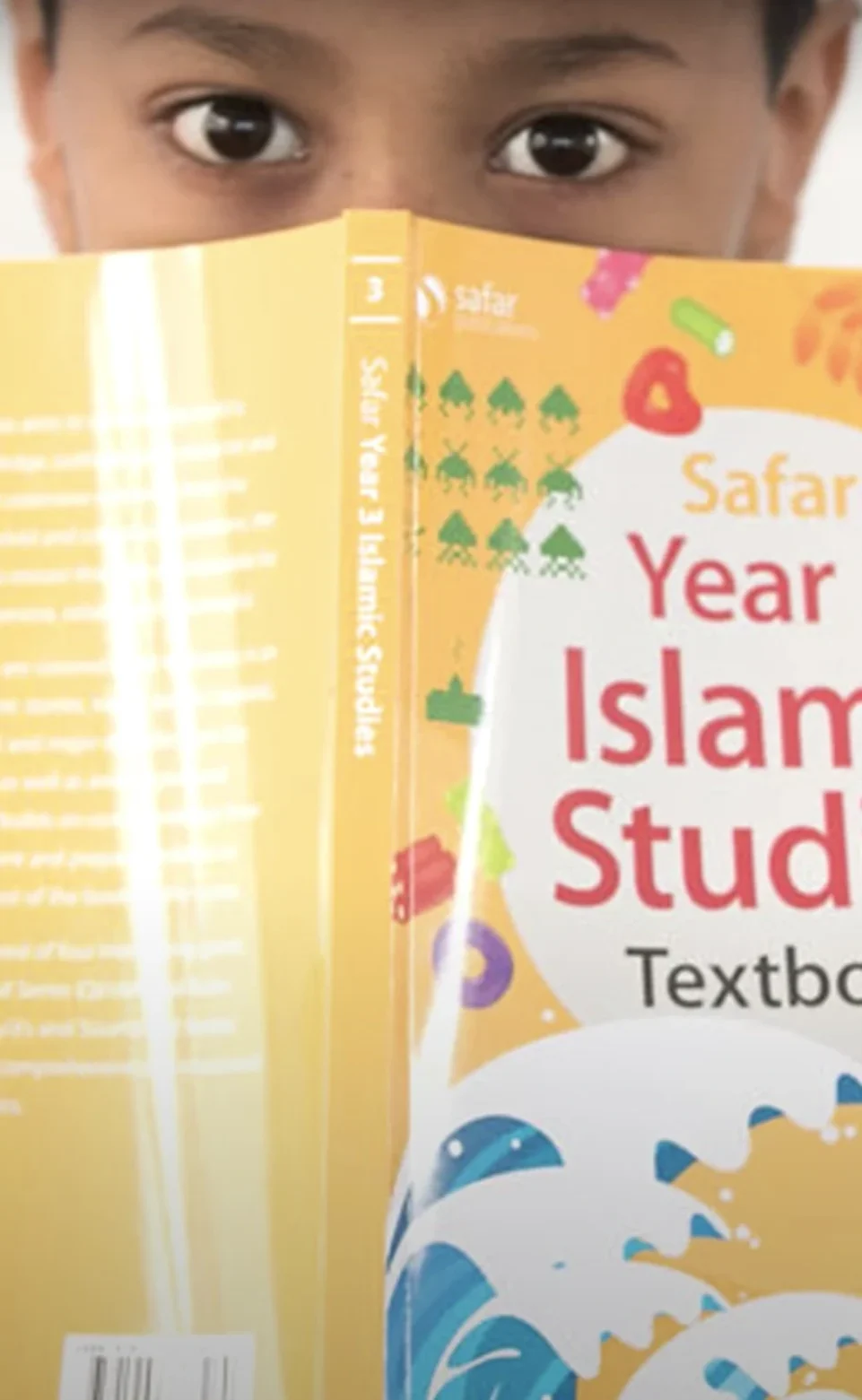
- Islamic history
These topics are not only taught for classical knowledge but also explored and explained in detail for their contemporary applications and implications. The study of Islamic studies at the academy is therefore very relevant to the students’ everyday lives and often lacked in other institutions.
The main objective of the academy is to develop students into upright and knowledgeable Muslims who will benefit themselves, their families, and the wider community. Additionally, respect and tolerance for other people, religions, and beliefs are taught, as well as respect for the rule of law. The academy encourages students to
actively participate in the wider community and society.
Subscribe for updates.
Subscribe to our newsletter and stay informed about the latest trends, insights, and courses.
Address List
- 311 Calder St, Glasgow G42 7NQ, UK
- +44 141 370 0365
-
info@alfalaahuk.com
contact@alfalaahuk.com
Social Networks
Quick Links

At Darul Falaah, children from the age of 4 and above are given the opportunities to delve deep into the teachings of islam.
Copyright © 2025 Darul Falah Academy | All Right Reserved.
Sign In
The password must have a minimum of 8 characters of numbers and letters, contain at least 1 capital letter